About
Stephanie Sternes
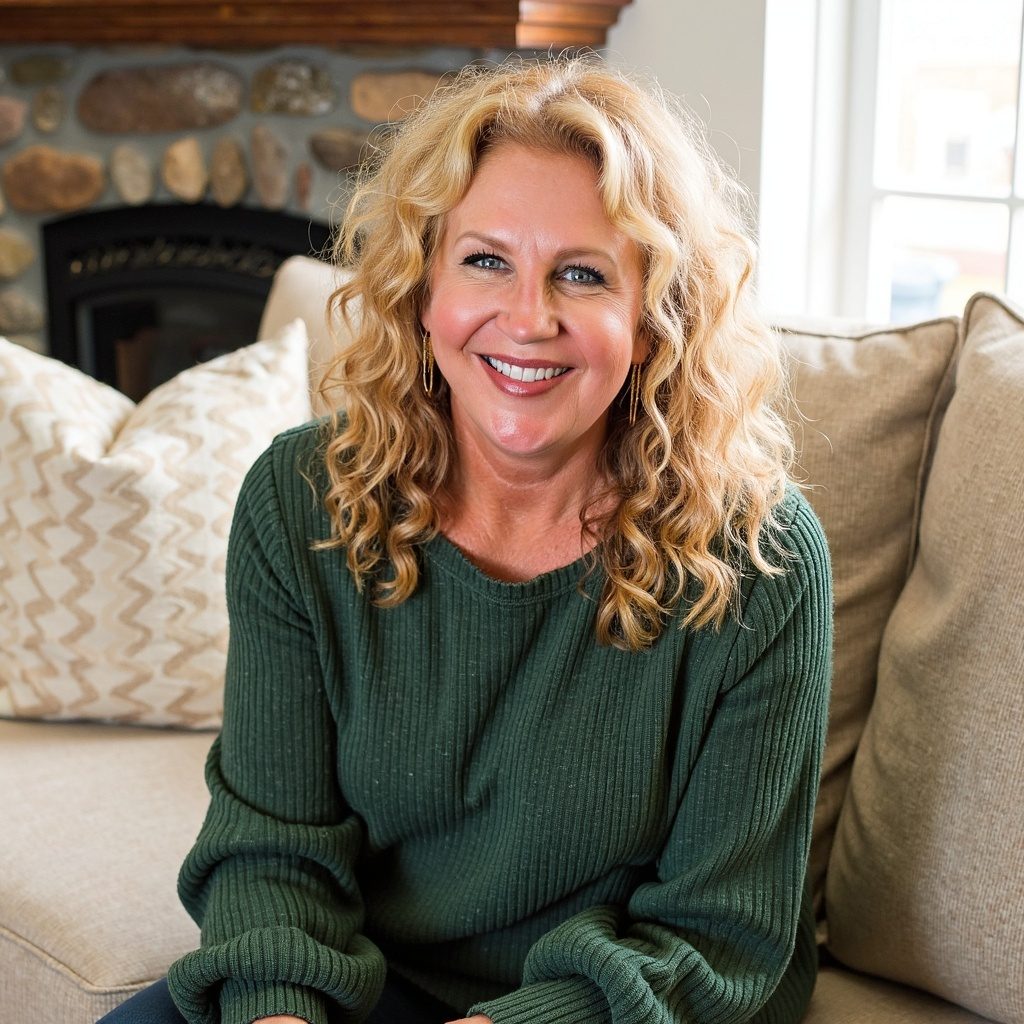
Stephanie Sternes is a dual-licensed therapist (LMFT, LCPC), supervisor, educator, and founder of specialized training in two-home family systems.
Her work focuses on the clinical, ethical, and systemic complexities that arise in divorce, co-parenting, stepfamilies, foster care, and adoption. She trains professionals across disciplines to better understand and respond to the realities of children and families living across two homes.
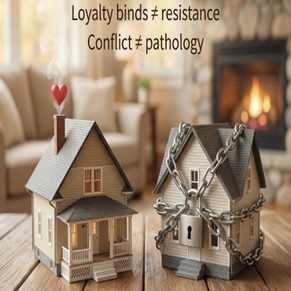
Stephanie is known for helping clinicians move beyond a traditional one-home lens and recognize when a case requires a two-home systems approach, particularly in situations involving moderate to high-conflict co-parenting, loyalty binds, and resist and refuse dynamics.
Stephanie’s work developed through direct clinical experience with children and families navigating two-home systems. Over time, patterns began to emerge that did not fully make sense when viewed through a single-household lens. Children who presented with anxiety, behavioral challenges, or emotional dysregulation often reflected not individual pathology, but the impact of navigating multiple homes, competing expectations, and unaddressed relational tension.
As her work deepened, it became increasingly clear that these families were not broken. They are complex systems that require a different clinical lens, one that accounts for both homes, the relationships between adults, and the developmental realities of children moving between them.
Why This Work Matters
Many professionals are trained to treat individuals or single households.
But a significant number of children live in two homes.
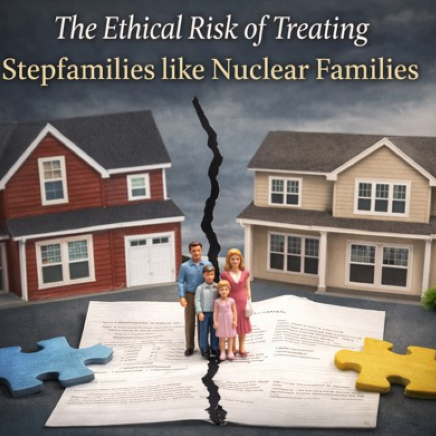
When those systems are not properly assessed, therapy can unintentionally increase conflict, deepen divides, and leave children carrying the emotional weight of adult relationships.
Stephanie’s work addresses this gap by equipping professionals with practical tools for assessment, ethical decision-making, and coordinated care across both homes.
All Two-Home Systems Begin With Loss.
Mentorship
Professional Endorsement
Dr. Patricia Papernow, EdD, is an internationally recognized expert in stepfamily relationships and the author of Surviving and Thriving in Stepfamily Relationships and The Stepfamily Handbook. She is the recipient of the American Psychological Association’s Award for Distinguished Contribution to Family Psychology and the American Family Therapy Academy’s Award for Distinguished Contribution to Family Therapy Theory and Practice.
“I have known Stephanie Sternes for nearly a decade, first as a mentee and now as a highly valued colleague and one of the leading clinicians in the stepfamily field.
She is among the few professionals providing specialized training, consultation, and therapy for stepfamilies, an under-recognized and underserved population. Stephanie has worked tirelessly to both support these families and to educate other professionals in this vital and frequently misunderstood area.
What stands out most is her consistent commitment to helping both families and professionals move beyond a single-household lens. She emphasizes the importance of understanding and working with both homes when supporting children in two-home family systems, an essential but often overlooked clinical shift.
Stephanie brings a rare ability to communicate complex relational dynamics with clarity, warmth, and accessibility. She creates environments where deep learning, connection, and meaningful change can take place, whether with clients, students, or professional audiences.
She is deeply engaged in building much-needed capacity in the field through advanced training, supervision, and program development. Her work is a gift to those of us who care about stepfamilies and the professionals who serve them.”
Dr. Patricia L. Papernow
Training and Clinical Foundations
Clinical Training and Mentorship
Her work is shaped by advanced clinical training and direct mentorship under Dr. Patricia Papernow, an internationally recognized leader in stepfamily research and author of Surviving and Thriving in Stepfamily Relationships. Dr. Papernow’s model serves as the primary foundation for her clinical lens, influencing her therapy, supervision, teaching, and curriculum development.
Through this mentorship, she developed a systems-based approach that moves beyond the traditional single-household model to assess the full relational system in which children live across both homes. This lens brings clarity to complex dynamics often misunderstood in clinical, educational, and legal settings.
She continues to engage in advanced training and consultation within the international stepfamily network, remaining closely connected to the ongoing development of best practices in the field. This ongoing collaboration ensures her work remains aligned with the most current research and clinical innovation in stepfamily and two-home family systems.
She has also trained under Ron Deal and the Smart Stepfamily framework, further strengthening her ability to translate research into practical, accessible tools for both families and professionals. His work contributed to the development of her university-level curriculum on stepfamilies and two-home family systems.
Together, these influences inform a highly specialized, clinically grounded approach to therapy, consultation, and education, with a consistent focus on helping families, clinicians, and systems accurately assess and effectively respond to what is happening across both homes, not just the one in the room.
Professional Background
Licensed Marriage and Family Therapist (LMFT)
Licensed Clinical Professional Counselor (LCPC)
Registered Supervisor (Idaho)
Adjunct Educator, Northwest Nazarene University
Community-Based Rural Clinic Director (Emmett, Idaho)
Brainspotting Certified
Infant Mental Health Specialist (0–5)
Previous Small Claims Mediator
Stephanie provides clinical training, supervision, and continuing education for counselors, educators, and legal professionals working with complex family systems.
Two-Home Culture
Specialization
Stephanie specializes in:
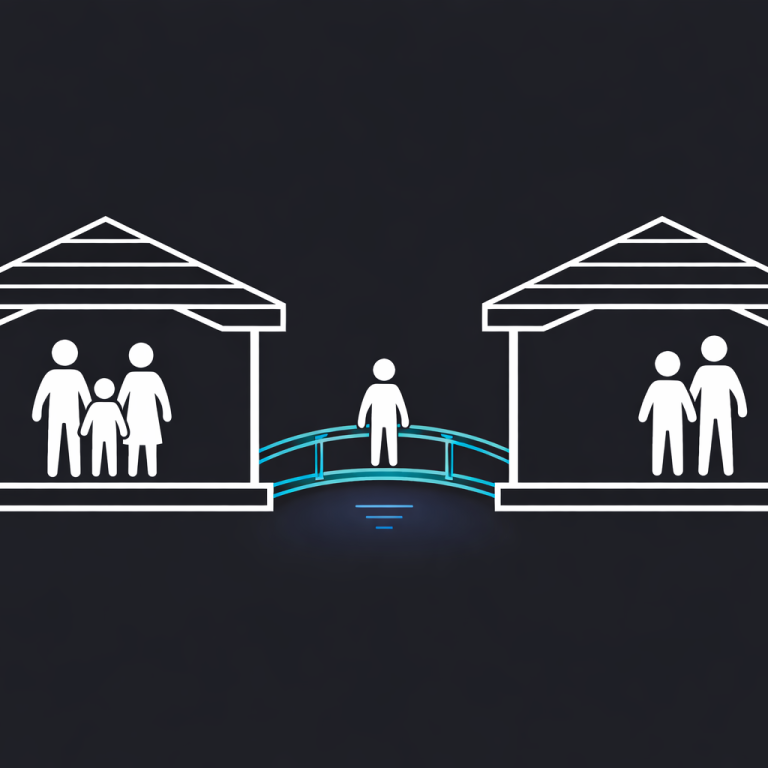
Two-Home Family Systems
Stepfamily and Blended Family Dynamics
High-Conflict Co-Parenting
Loyalty Binds and the Love–Loyalty Paradox
Resist and Refuse Prevention in Two-Home Systems
Rather than treating resist and refuse cases, I focus on prevention. My work helps identify how ongoing tension between two homes impacts children, and supports early intervention before refusal patterns take hold.
Ethical Decision-Making in Complex Family Systems
Her work integrates clinical expertise, teaching experience, and real-world application in high-conflict and multi-system cases.
These Are Complex Family Systems
Clinical Storytelling and Educational Content
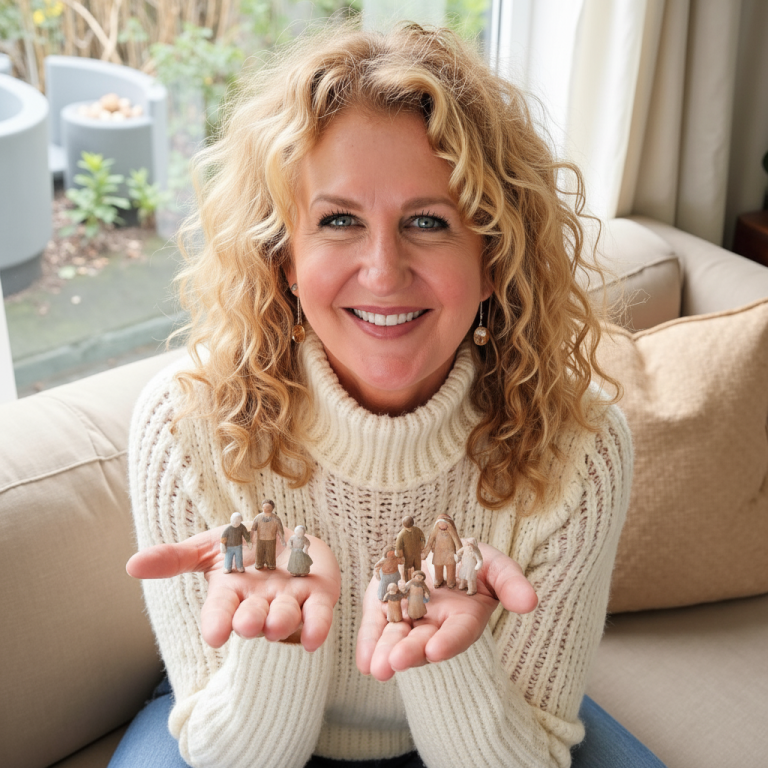
Stephanie uses clinical storytelling as a teaching tool to help professionals understand complex family dynamics.
Her content reflects composite patterns observed across many cases and systems. Clinicians learn through case study and by identifying predictable patterns in family systems. Because ethical standards prohibit the use of identifiable client information in marketing or teaching, clinical storytelling using composite examples allows for accurate, responsible education without compromising confidentiality.
Details are intentionally altered to protect privacy and do not represent any specific individual or family.
You’re not broken. It’s the system.
Understanding the system changes everything.
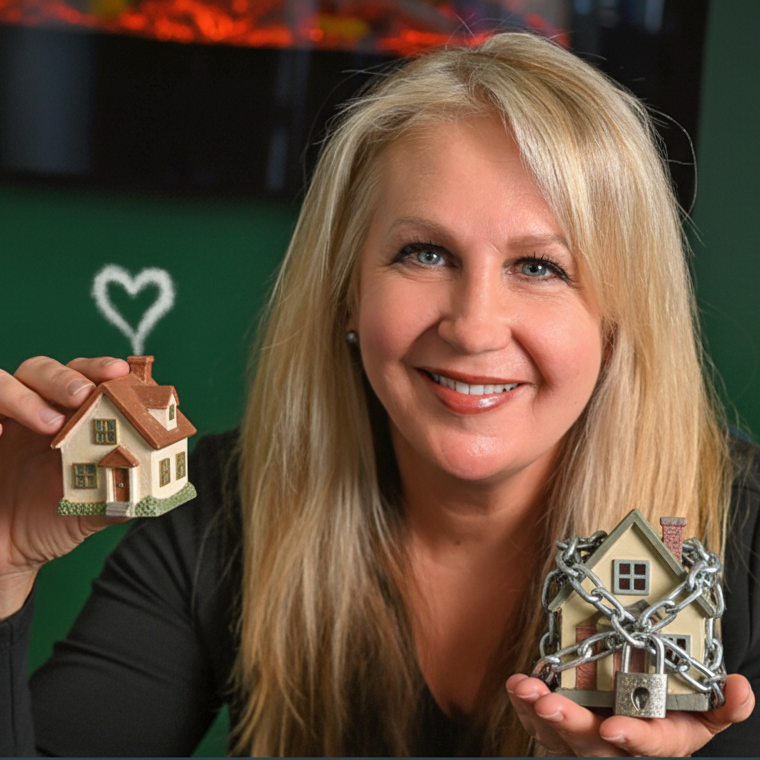
41 years of lived and professional experience.
Personal Perspective
Stephanie’s professional work is informed not only by clinical practice and research, but also by lived experience within complex family systems.
This perspective strengthens her ability to recognize patterns, understand system pressure, and guide professionals in navigating real-world dynamics that extend beyond textbook models.

Mission
To improve outcomes for children and families living across two homes by equipping professionals with the knowledge, structure, and ethical clarity needed to work effectively within these systems.